Dead Format Summer: Why Gen Z Is Paying Real Money for Media That Technically Doesn't Work Anymore
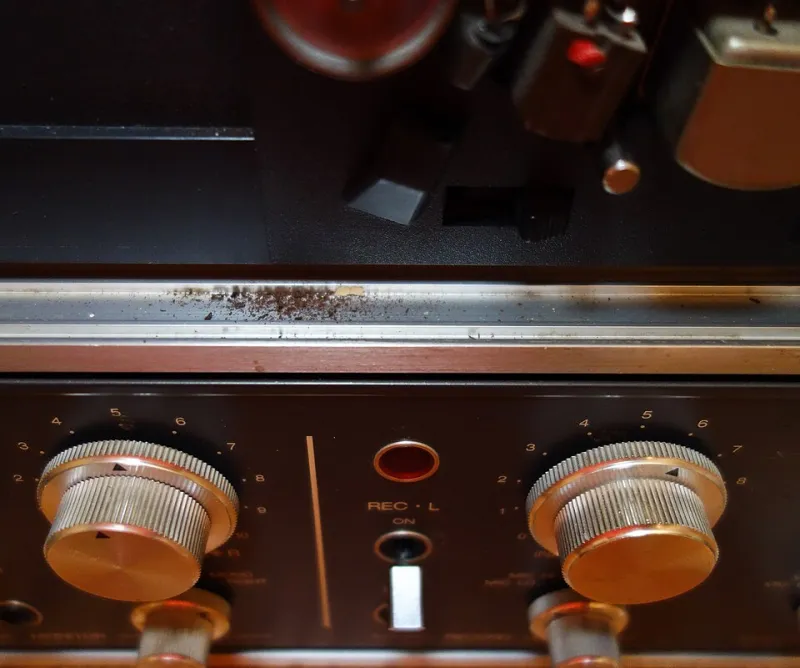
Photo: Danielteolijr, CC BY-SA 4.0, via Wikimedia Commons
Let's set the scene: a 22-year-old in Portland is paying $85 for a VHS copy of a mid-tier '90s horror movie they've already watched three times on streaming. The tape probably doesn't even play cleanly. There's a decent chance their TV doesn't have an input that accepts it. They're buying it anyway, and they're happy about it.
This is not an isolated incident. The market for dead media — VHS tapes, cassettes, printed zines, floppy disks, abandoned fan wikis preserved in screenshot form, defunct website archives — has exploded among younger buyers who have no personal memory of these formats when they were alive. And the ecosystem around this obsession has grown into something genuinely strange and genuinely profitable.
What Counts as Dead Media (And Why That's the Point)
Dead media, loosely defined, is any format that has been functionally replaced by something better and largely abandoned by mainstream culture. VHS lost to DVD. DVD lost to streaming. Zines lost to blogs, which lost to social media. Physical fan wikis hand-coded in early HTML lost to... well, modern fan wikis, which are losing to Discord channels as we speak.
The death of a format doesn't happen all at once. It's a long, weird twilight where the format still technically exists but has been culturally demoted from how we do things to how we used to do things. That transition point — that demotion — is exactly when it becomes interesting to a certain kind of collector.
There's a reason nobody is frantically hunting down LaserDiscs from 2019. The format needs time to die, to be forgotten, to accumulate a patina of genuine obsolescence before it becomes desirable again. The gap is part of the value.
Nostalgia for Things You Never Experienced
The easy explanation for all of this is nostalgia, and it's not entirely wrong. But standard nostalgia requires personal memory — you miss the thing because you had it and lost it. What's happening with Gen Z and dead media is categorically different, and calling it nostalgia misses something important.
Researchers have started using the term vicarious nostalgia or simulated nostalgia to describe the emotional relationship younger people develop with eras they didn't live through. You don't remember the '90s, but you've absorbed enough cultural artifacts, secondhand stories, and aesthetic fragments of that decade to build an emotional relationship with it. The nostalgia isn't for your past. It's for a version of the past that feels more textured and tangible than the frictionless present.
And the present, it should be said, is very frictionless. Streaming gives you everything instantly. Algorithms smooth out the discovery process. Nothing is hard to find, and as a result, nothing feels particularly hard-won. Dead media reintroduces friction as a feature. The hunt for a specific VHS tape is an experience. The tape itself is a trophy.
The Zine Renaissance and the Aesthetics of Imperfection
If VHS collecting is the most visible branch of this trend, the zine revival might be its most interesting one. Zines — self-published, usually photocopied, deliberately amateur — were never prestige objects. They were the opposite of prestige. They were made specifically because they existed outside the systems that assigned prestige.
And yet: zine fairs are selling out across major US cities. Etsy shops specializing in original '90s and early 2000s zines are doing real business. Art school students are making new zines in deliberately degraded formats, complete with intentional printing artifacts and hand-stapled spines.
The appeal isn't just aesthetic, though the aesthetic — lo-fi, imperfect, clearly made by a human — is part of it. Zines represent a mode of cultural production that the internet promised to democratize and then quietly industrialized instead. A zine made in someone's apartment with a bad photocopier in 1994 is, in a very real sense, more punk than anything produced by the current creator economy. It existed without analytics, without engagement metrics, without monetization strategy. It existed because someone had something to say and a stapler.
For a generation that has grown up inside the creator economy, that purity reads as genuinely radical.
Who's Actually Profiting Here
Obviously, someone is making money off all of this. The dead media market has attracted everyone from genuine archivists and cultural preservation nerds to opportunistic resellers who spotted the trend early and started hoarding inventory.
eBay is the chaotic center of the VHS market, where prices for the right tapes — rare horror titles, certain '80s workout videos, specific regional releases — have climbed to levels that would have seemed absurd five years ago. Specialized resellers have emerged who do nothing but source and grade VHS tapes for collectors. There are grading services now. For VHS tapes.
On the zine side, it's a more complicated economy. Some original zine creators have discovered their old work is suddenly valuable and have started selling archival copies or running limited reprints. Others have no idea their stuff is circulating. The question of who owns the cultural value of dead media — the original creator, the person who preserved it, the person who's selling it now — doesn't have clean answers.
Abandoned fan wikis and defunct websites occupy the strangest corner of this market. You can't really sell a dead website, but you can sell screenshots of it, archival prints, or documentation of its existence. The Internet Archive has become a kind of accidental gallery for this stuff, and the communities built around exploring it treat it with the same reverence a record collector would give a rare pressing.
Is Any of This Authentic
The skeptic's read on all of this is that it's performance — aesthetic cosplay dressed up as cultural appreciation. And there's something to that. The person buying a VHS tape for display purposes while watching everything on streaming is, at some level, consuming the idea of dead media rather than engaging with it as a functional format.
But authenticity policing around cultural consumption is a game with no winners. People have always used objects to construct identity and signal belonging. A VHS tape on a shelf says something about who you are and what you value, in the same way a vinyl collection or a shelf of paperbacks does. The format being defunct doesn't make that statement less real.
What it might actually represent is a genuine, if aesthetically mediated, critique of how media works now — too easy, too frictionless, too algorithmically optimized to feel like it was made for you specifically. Dead media is imperfect and weird and hard to find and occasionally doesn't even work. In 2024, that might be exactly the point.