🫠💀✨ and You Know Exactly What That Means: The Secret Languages of Internet Subcultures
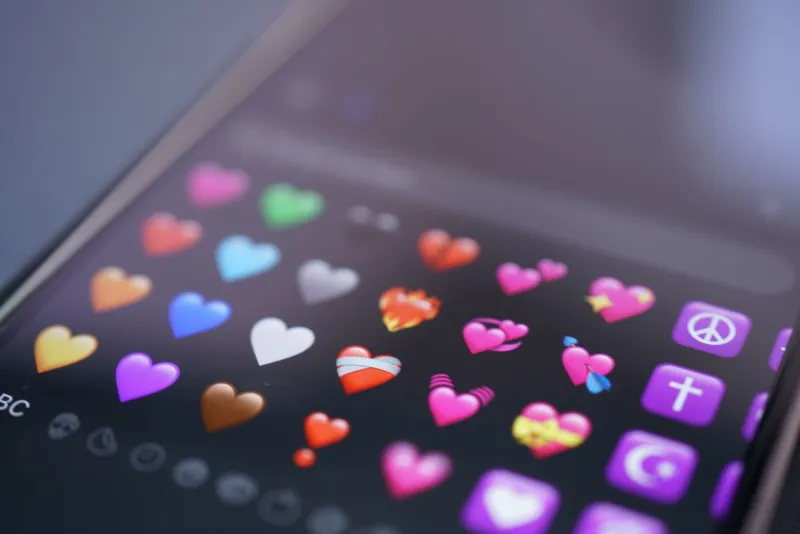
Picture this: someone posts a single emoji sequence in a BookTok comment section — 📚🔪🩸 — and the regulars immediately pile on with the correct response. A newcomer asks what it means. The regulars laugh. Someone posts a meme. Nobody explains. The newcomer either figures it out over the next few weeks of lurking or they leave.
This is not an accident. This is infrastructure.
Across the internet's most dedicated niche communities — from furry Discord servers to k-pop stans on Twitter/X to horror fiction forums to speedrunning Twitch chats — a new kind of linguistic system has been evolving quietly, built from emoji combinations, mutated slang, inside references, and shared memory. These aren't just fun little codes. They're load-bearing walls in the architecture of online community.
Language as Membership Card
Linguists have a term for the way language marks group belonging: shibboleths — words or phrases that signal whether you're in or out. The concept is ancient; the Old Testament version involved pronunciation. The internet version involves knowing that 🐀 means something specific in one fandom and something entirely different in another, and that using the wrong one in the wrong space will clock you as an outsider instantly.
What's new is the speed at which these systems develop and the density they can achieve. A Discord server that's been active for eighteen months might have a vocabulary so layered and self-referential that a new member needs weeks just to parse a single thread. The emojis carry meanings assigned by collective agreement. The slang has been through three ironic reversals. The memes reference memes that reference events that happened in a previous server that no longer exists.
BookTok is a useful case study because it's visible enough to observe from the outside. The community has developed a rich symbolic shorthand — specific emoji clusters that signal genre preferences, reading moods, opinions on specific tropes, and even interpersonal dynamics within the community. A well-placed 🗡️❤️🩹 tells other BookTok regulars more about your reading taste than a paragraph of description would.
Furry Spaces and the Grammar of Identity
Furry communities — long operating as one of the internet's most internally coherent subcultures — have developed some of the most sophisticated in-group linguistic systems online. The vocabulary isn't just slang; it's a complete framework for discussing identity, creativity, and community that borrows from linguistics, role-playing game culture, and queer theory simultaneously.
Terms that originated in furry spaces have migrated outward into broader internet culture, often stripped of their original context. But within furry Discord servers and forums, the language functions with a precision that outsiders miss entirely. Specific emoji uses, specific phrasing patterns, specific ways of describing your "fursona" — all of these are legible to insiders and opaque to everyone else, and that opacity is part of the point.
The language protects. When you've built a community around an identity that mainstream culture has historically mocked, having a vocabulary that outsiders can't immediately penetrate is a feature, not a bug.
Gaming Servers and the Velocity Problem
Gaming Discord servers present a different case because the linguistic evolution there moves at a pace that even members struggle to keep up with. Twitch chat culture, in particular, operates at a speed that resembles less a conversation and more a collectively generated stream of consciousness.
Emotes (Twitch's platform-specific emoji-equivalent) function as an entire dialect unto themselves. KEKW, PogChamp, monkaS — these aren't just reaction images, they're grammatical units with specific deployment rules that shift over time. Using an emote incorrectly or at the wrong moment marks you as someone who doesn't actually live in that space.
What's interesting about gaming communities is how the language creates real-time solidarity. During a tense raid or a clutch competitive moment, a chat flooding with the same emote is a collective emotional experience. The shared code makes the shared feeling legible in a way that regular language is too slow to achieve.
Fragmentation or Depth?
Here's where the conversation gets complicated. Critics of this kind of linguistic drift argue that it's fracturing internet culture into incomprehensible silos — that when every community develops its own dialect, the possibility of cross-community communication collapses. The internet, which was supposed to connect everyone, ends up looking like a thousand tiny rooms where nobody speaks the same language.
There's something to that. The more specialized a community's internal language becomes, the harder it is for outsiders to enter, and the harder it is for insiders to communicate meaningfully with people outside their bubble. That has real consequences for how ideas travel, how communities interact, and how people who want to belong to multiple communities simultaneously manage the cognitive load of switching between linguistic registers constantly.
But the counterargument is equally compelling: depth requires density. The richness of what happens inside these communities — the creativity, the connection, the genuine culture-making — is made possible precisely because everyone in the room has the same reference points. The shared language isn't just gatekeeping. It's the medium through which real intimacy happens.
What Gets Lost in Translation
The most interesting thing about emoji dialects and subculture slang isn't what they keep out — it's what they make possible inside.
When a community has a word or a symbol for something that mainstream language hasn't named yet, that's not fragmentation. That's linguistic innovation. Queer communities have been doing this for decades, creating language to describe experiences that dominant culture either ignored or pathologized. Fandom communities do it for emotional experiences that don't have mainstream vocabulary. Gaming communities do it for states of collective attention that are genuinely new in human history.
The emoji dialect wars aren't really wars. They're more like dozens of parallel experiments in what language can do when a community is weird enough, specific enough, and committed enough to build something from scratch.
The silos are real. But so is what's being built inside them. Whether those two things are in tension or in balance probably depends on which server you're in — and whether you know the right emote to prove you belong there.