Crying Pretty: How the Sad Girl Industrial Complex Turned Depression Into a Lifestyle Drop
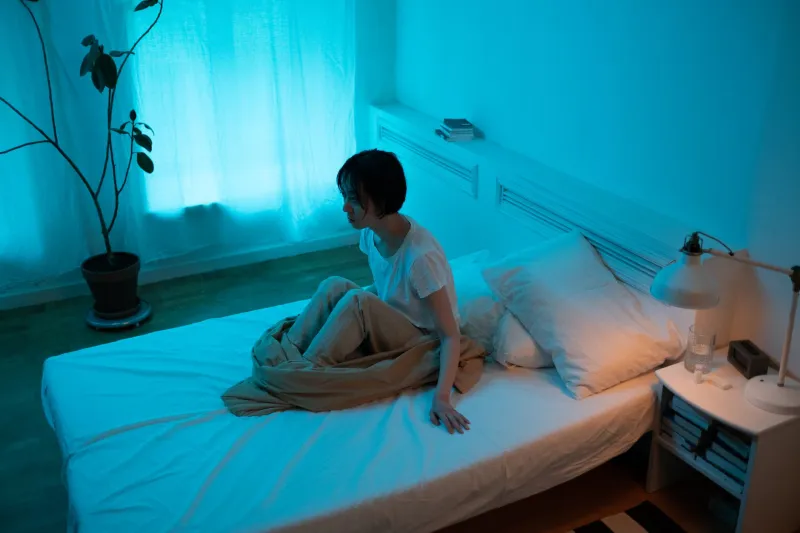
There's a specific kind of TikTok video that's been living rent-free in the algorithm for the past few years. Soft lighting. A girl staring out a rain-streaked window. Some Lana Del Rey instrumental bleeding in from the edges. A caption that says something like "she's not sad, she's just built different." It gets 2.3 million views. The comments are a graveyard of heart emojis and girls typing "this is literally me" at each other in the dark.
This is the aesthetic pipeline. And somewhere along the way, it stopped being just aesthetic.
From Art House to Checkout Cart
Lana Del Rey didn't invent melancholy as a feminine identity. Sylvia Plath got there first. So did Billie Holiday, Fiona Apple, every goth girl who ever got detention for drawing skulls on her notebook. What Lana did — brilliantly, arguably — was make sadness cinematic. Widescreen. Aspirational. She wrapped depression in vintage Americana and a voice that sounded like a funeral for something beautiful, and suddenly suffering had a vibe.
That vibe has since been industrialized.
Walk through any Urban Outfitters in 2024 and you'll find the physical merchandise of this emotional register. "Melancholy" as a font choice on a crewneck. Journals with covers that say things like "for the girl who feels too much." Candles named after emotional states — Overwhelmed, Wistful, Quietly Falling Apart. These aren't accidents. They're product decisions made by people in marketing meetings who identified a feeling and figured out how to attach a SKU to it.
The question nobody in those meetings was asking: what does it mean to sell someone their own suffering back to them at a 60% markup?
The Therapy App Problem
It gets more complicated when the wellness industry joins the conversation. And it always joins the conversation.
Several popular mental health apps — the kind with pastel interfaces and gentle notification copy that says things like "Hey, just checking in on you 🌙" — have become fluent in the same visual and emotional language as the sad girl aesthetic. Soft watercolor illustrations. Language that validates without challenging. Subscription models that reward engagement, which in mental health contexts can sometimes mean rewarding rumination.
This isn't to say these apps are evil. Some of them do real good. But there's a structural tension worth naming: an app that profits from your continued use has complicated incentives when it comes to actually helping you get better. Getting better, after all, is a form of churn.
Influencers in the mental health space have noticed this, and some have started calling it out. But many others have built entire content careers on the sad girl identity — posting about their anxiety, their bad days, their emotional unavailability, their complicated relationship with existing — in ways that are genuinely vulnerable and also, not coincidentally, extremely monetizable through brand deals for sleep supplements and journaling apps and, yes, more candles.
The Romanticization Trap
Here's where it gets genuinely thorny, because the easy take — "stop romanticizing mental illness, it's harmful" — flattens something real.
For a lot of young women, finding an aesthetic that reflects their inner life is legitimately meaningful. Seeing your sadness represented — in music, in art, in the way someone else decorates their room — can be the difference between feeling like a freak and feeling like a person. That's not nothing. That's actually a lot.
The problem isn't the feeling. It's what happens when the feeling becomes a fixed identity. When sad stops being something you sometimes are and starts being the core of your personal brand. When the aesthetic becomes so load-bearing that getting better feels like losing yourself.
There's a term that's been floating around in psychology-adjacent online spaces: maladaptive aestheticization. The idea that leaning into a romanticized version of your struggle can actually deepen it — not because art is dangerous, but because performing suffering for an audience creates feedback loops that make it harder to step out of the role.
You don't have to be a clinician to see the pattern. Spend enough time in the sad girl corners of TikTok and you'll notice that the content that performs best isn't the content about getting better. It's the content about staying exactly where you are, but making it look beautiful.
Who's Actually Profiting
Let's follow the money for a second, because it goes places.
The brands selling melancholy merchandise are profiting. The apps are profiting. The influencers are profiting — which, fine, they're doing emotional labor and they deserve to eat. But also profiting: the platforms themselves, which have learned that emotionally intense content drives engagement, and that sad girls are extremely emotionally intense content.
Algorithms don't care about your wellbeing. They care about your watch time. And a girl crying softly to a Lana B-side at 2am is extremely watchable. She's relatable. She's safe enough to not get flagged. She makes you feel something without demanding anything. She is, from a pure engagement standpoint, perfect content.
The sad girl aesthetic has become one of the most algorithm-friendly identities on the internet, and that's not a coincidence. It was selected for. Not by any single person with bad intentions, but by a system that rewards what keeps eyes on screens, and then by the humans and brands who learned to work within that system.
Is There a Way Out That Isn't Toxic Positivity
The counter-movement to sad girl culture has mostly been insufferable. "Good vibes only." Gratitude journals. That one quote about choosing happiness that gets printed on everything. The pressure to perform wellness is just as commodified as the pressure to perform sadness, and arguably more dishonest about what it's doing.
What's actually interesting — and what a few creators are genuinely trying to do — is find a way to hold sadness without being held by it. To make art about suffering that doesn't require you to stay suffering in order to keep making the art. To let the aesthetic be a room you visit, not the whole house.
That's a harder thing to sell. It doesn't have a clean visual identity. You can't put it on a candle.
But it might be the only version of this that doesn't eventually eat itself.
Lana Del Rey, for what it's worth, has been doing exactly that for years — her later albums are full of ambivalence, self-awareness, even something approaching peace. The aesthetic stayed, but the relationship to it shifted. The tragedy is that the machine she helped build mostly didn't follow her there. It stayed in the rain, staring out the window, waiting for someone to buy something.
And plenty of people did.