Selling Spells: How Silicon Valley Learned to Speak Witch and Why the Coven Isn't Buying It
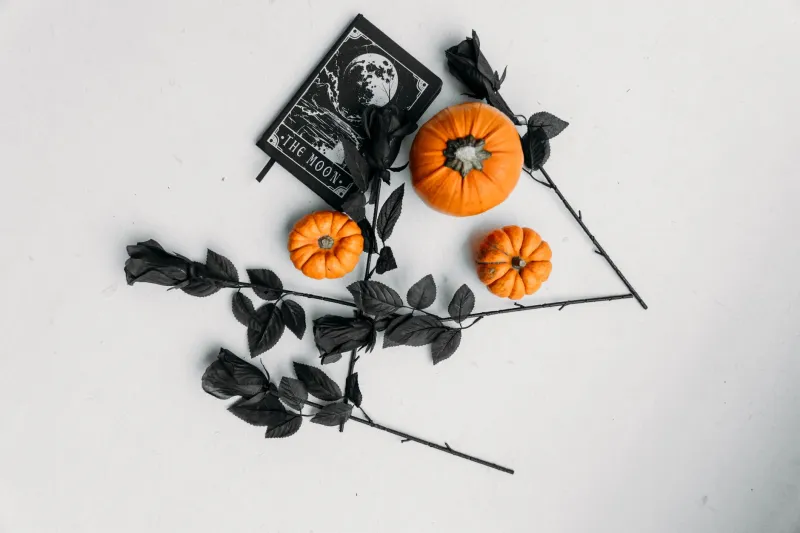
Somewhere between a Starbucks seasonal drop and a wellness startup's Instagram grid, the pentagram became a lifestyle accessory. Crystals started showing up in office lobbies. Moon phase calendars got pinned to the walls of co-working spaces in Austin and Brooklyn. And a suspiciously large number of DTC brands suddenly discovered that words like "ritual," "intention," and "sacred" moved product in a way that "buy one get one" simply couldn't.
Welcome to the corporate occult moment — a sprawling, slightly unhinged marketing trend that's been quietly colonizing American consumer culture for the better part of a decade. And if you spend any time in actual witchy, pagan, or earth-spirituality communities online, you already know the temperature in those spaces runs somewhere between deeply annoyed and gleefully vengeful.
How We Got Here
The pipeline from underground subculture to brand strategy usually takes a while. The witchy aesthetic's journey was faster than most.
Cottagecore hit its mainstream stride around 2020, right when everyone was stuck inside fantasizing about log cabins, sourdough starters, and a life free from Slack notifications. That aesthetic had deep roots in Tumblr's witchblr community — a sprawling ecosystem of practitioners, herbalists, tarot readers, and general weird-internet mystics who'd been building their visual language since at least 2012. The pandemic basically handed that visual language to the entire American internet simultaneously.
Brands noticed. Of course they did.
By 2021, you could find moon cycle language in everything from period tracking app marketing to real estate listings. A major coffee chain tested a "ritual blend" limited edition that leaned hard into apothecary jar imagery and hand-drawn botanical illustrations. Skincare brands started describing their moisturizers as "potions." A fintech startup — and yes, this actually happened — launched a campaign built around tarot card imagery to explain their investment tiers. The Death card represented "transformation," naturally.
Who Actually Pulled It Off
Fair is fair: some brands did the homework.
A handful of smaller beauty and wellness companies managed to walk the line because they were already adjacent to the community — hiring practitioners as consultants, sourcing ingredients from small herbalists, actually engaging with the culture rather than just screenshotting its Pinterest boards. Brands like that tend to build real loyalty in niche spaces because the audience can tell the difference between someone who did their reading and someone who just saw a mood board.
Apple, weirdly, has a minor track record here. Their product launch language has long borrowed from almost spiritual registers — words like "magical," "transformative," "ritual" appear constantly in their copy — but it lands differently because they've never tried to specifically cosplay as witchy. There's something almost honest about a tech giant just straight-up saying their phone is magical without pretending they care about the moon.
The brands that actually work within this space tend to have one thing in common: specificity. They're not just slapping a crescent moon on packaging. They're building something that has internal logic, aesthetic consistency, and some acknowledgment that the culture they're borrowing from is real and populated by actual humans.
The Hall of Shame Is Extremely Full
For every brand that sort of figured it out, there are fifteen that absolutely did not.
The crypto space has been particularly chaotic about this. During the NFT boom, several projects leaned into occult imagery — tarot decks as NFT series, "coven" as a branding term for investor communities, witchy Discord servers meant to evoke exclusivity and mystique. The irony of using imagery associated with anti-establishment spiritual practice to sell speculative digital assets to people hoping to get rich was apparently lost on everyone involved.
Fast fashion brands have done their own damage. Seasonal "witch collections" that reduce the aesthetic to black cats and poorly drawn sigils, sold at margins that would make an actual herbalist weep. The disconnect is almost impressive — there's something genuinely surreal about a company with documented labor violations selling a "manifest your power" graphic tee.
And then there's the wellness industry, which deserves its own entire investigation. The overlap between legitimate spiritual practice, pseudoscience, and aggressive MLM recruiting that exists under the umbrella of "witchy wellness" is a genuinely complicated mess. Brands that sell crystals with unverified health claims, or "moon water" products at $40 a bottle, operate in a gray zone that the actual spiritual community has been arguing about internally for years.
Gen Z Said "Fine, We'll Do It Ourselves"
Here's where it gets interesting — and honestly, kind of delightful.
A growing wave of Gen Z creators on TikTok and Instagram has started making what can only be described as "corporate witch" content as deliberate satire. The genre has its own recognizable beats: an extremely deadpan delivery, fake brand names with names like "Manifesta" or "Hex & Associates," mock ad copy that mimics the exact language of wellness brands, and comments sections full of people who can't immediately tell if it's a real product.
Creators like this are doing something genuinely smart. They're not just dunking on brands — they're exposing the mechanics of how aesthetic co-option works by reproducing it so accurately that the seams show. When a 22-year-old in Ohio can make a fake ad for "Mercury Retrograde Insurance" that looks indistinguishable from actual fintech marketing, that's not just funny. It's a pretty incisive piece of media criticism.
Some of these creators have actual backgrounds in witchcraft or pagan practice. Others are just culturally fluent enough to recognize the pattern. Either way, the content resonates because it names something people have been feeling without quite having the language for: the weird, slightly gross sensation of watching something you care about get hollowed out and sold back to you.
So What Does the Actual Community Think?
It's complicated, because the "witchy community" isn't monolithic. There are practitioners who are totally fine with mainstream interest — visibility has its uses, and more people exploring earth-based spirituality isn't inherently bad. There are others who see corporate co-option as a direct threat to the integrity of their practice, particularly when it involves sacred symbols from closed traditions being used as graphic design elements.
The loudest voices tend to land somewhere in the middle: resigned amusement at the brands, genuine frustration at the erasure of context, and a kind of protective instinct toward the underground spaces that haven't been discovered yet.
That last part is probably the most honest response. Every subculture that gets mainstreamed leaves behind a smaller, weirder, less visible version of itself that the original people migrate to. The witchblr community that shaped so much of this aesthetic still exists — it's just harder to find now, which some of its members consider a feature rather than a bug.
The Spell Was Always Ours
Corporate aesthetics borrow. That's just what they do. The gap between a subculture developing a visual language and a brand licensing that language for a quarterly campaign has gotten shorter and shorter as social media makes underground culture immediately visible to anyone with a trend-spotting budget.
What's different about the witchy aesthetic moment is that the community it's borrowing from has its own long history of reclaiming power from institutions that tried to suppress, pathologize, or monetize it. There's a certain irony in watching a Fortune 500 company try to harness that energy for a product launch.
The coven, as it were, has noticed. And based on the satirical content flooding the timeline right now, they've decided the most powerful response is to make it extremely funny.
Which, honestly, feels pretty on-brand for a community that's been laughing at the establishment for centuries.