Lost Anime Found: The Underground Revival Bringing Forgotten '90s Classics Back From the Dead
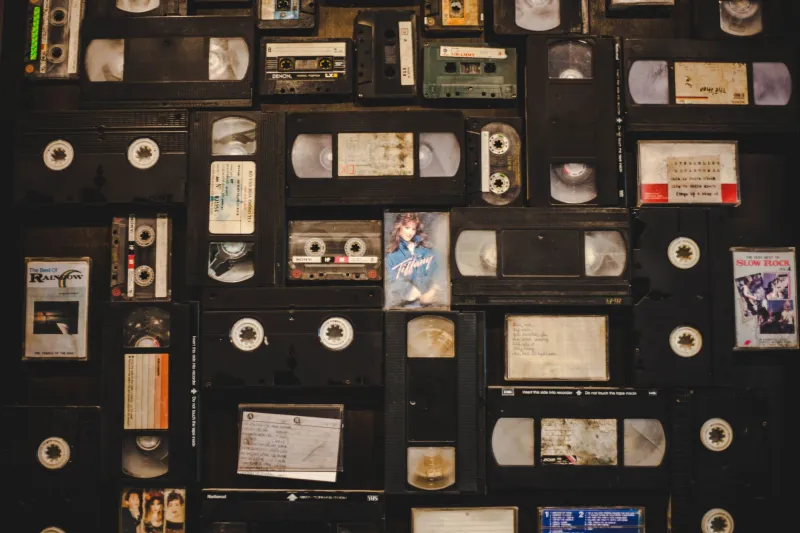
In 1998, a 13-episode anime series aired in Japan, got decent reviews, developed a small but devoted domestic fanbase, and then essentially vanished from the cultural record. No US release. No English dub. No official subtitles. Just a handful of raw Japanese episodes floating around on early file-sharing networks, cherished by a tiny community of dedicated fans who were willing to do the work of tracking them down.
Fast forward to now, and that same series has a thriving English-speaking fanbase, active fan-translation projects, dedicated Reddit threads, and a Discord server with thousands of members. Someone made a video essay about it that got 400,000 views. It's available on a niche streaming platform that licenses obscure catalog titles. It's having a whole moment.
This story — some version of it — is playing out across dozens of anime titles right now. The obscure '90s anime revival is real, it's growing, and it's one of the more genuinely interesting things happening in fan culture.
Why the '90s Specifically?
The 1990s were a weird and wonderful era for anime production. The industry was operating at a particular creative fever pitch — experimental, financially risky, stylistically diverse in ways that later market pressures would flatten. Studios were making stuff that didn't fit easy commercial categories: dense psychological narratives, unconventional visual styles, series that ended ambiguously or didn't end at all because funding ran out mid-production.
A lot of this material never got licensed for American release because the US anime market in the '90s was relatively small and focused on properties that could move product — toys, trading cards, video games. Artsy, weird, or commercially awkward titles simply didn't make the cut. They stayed in Japan, got released on VHS and Laserdisc, and quietly faded from mainstream consciousness.
But they didn't disappear entirely. Fan communities kept them alive through fansubs — fan-made subtitle tracks distributed through increasingly elaborate underground networks. If you were a certain kind of anime fan in the early 2000s, you know exactly what it felt like to download a 700MB file over a 56k modem connection and wait four hours to watch a single episode of something that maybe five thousand other people in America had ever seen.
That dedication created a preservation culture that's now paying dividends in unexpected ways.
How the Internet Changed Everything
The mechanics of this revival are worth understanding because they're a genuinely interesting case study in how internet communities surface and amplify niche content.
It starts with video essays. YouTube has become the primary discovery mechanism for obscure anime, largely because a generation of creators has figured out how to make compelling long-form content about titles most of their audience has never heard of. A well-crafted 20-minute video about why a forgotten 1996 mecha series is secretly brilliant can reach hundreds of thousands of people who had no prior awareness the show existed. Some percentage of those viewers will go looking for ways to watch it. And increasingly, ways exist.
Streaming platforms have gotten significantly better at licensing catalog titles that wouldn't have been commercially viable five years ago. Services like RetroCrush, HIDIVE, and even sections of Crunchyroll and Funimation's expanded libraries have started picking up obscure properties that previously existed only in fan-translation form. The economics have shifted enough that even a title with a small potential audience can justify a licensing deal.
Discord has done something equally important: it's given small, passionate communities a permanent home. Before Discord, niche anime fandom existed in scattered forums and IRC channels that came and went. Now a community around a specific obscure title can maintain itself indefinitely, accumulating knowledge, translations, historical context, and new members over years. These servers function like living archives.
Titles Worth Your Time Right Now
Okay, let's get specific, because that's actually useful.
Haibane Renmei (2002, technically just post-'90s but spiritually of that era) has been quietly circulating in recommendation lists for years, and if you haven't seen it — a contemplative, melancholy series about winged beings living in a walled town — it's genuinely unlike anything else you'll encounter. It's available on Funimation.
Berserk (1997) is well-known enough that it barely counts as obscure, but its status as a brutally incomplete adaptation of one of manga's greatest works makes it a fascinating artifact. The 1997 series is streaming on various platforms and hits differently knowing what it was working with.
The Vision of Escaflowne is a 1996 mecha-fantasy-romance hybrid that never quite got its due in the US despite a dubbed version airing on Fox Kids in a heavily edited form. The original Japanese version is a genuinely ambitious piece of work.
For the deep-cut crowd: Ruin Explorers, Irresponsible Captain Tylor, and Sorcerer Hunters are all floating around in legal and semi-legal streaming spaces and represent the kind of mid-budget genre anime that defined the era's specific flavor.
The Community Is the Product
One of the more interesting things about this revival is that for a lot of participants, watching the anime is almost secondary to being part of the community around it. The Discord servers, the Reddit discussions, the collaborative fan-translation projects — these create a social experience that's genuinely distinct from mainstream media fandom.
When you're a fan of something that most people have never heard of, the fandom itself becomes part of the identity. There's a particular pleasure in loving something obscure — not in a gatekeeping way (the best communities actively want new people) but in the sense that you're part of something that requires a little effort, a little seeking-out. It feels earned in a way that joining the fandom of a globally popular property doesn't quite replicate.
Collecting physical media — original Japanese VHS tapes, Laserdiscs, limited artbooks — has also become a significant part of this culture. These objects are increasingly available through eBay and Japanese import services, and they represent a tangible connection to the original release context that streaming can't replicate.
What This Says About Where We Are
The obscure '90s anime revival is, in some ways, a reaction to the current moment in mainstream anime. The industry is producing more content than ever, but a lot of it follows recognizable templates — isekai premises, power-scaling narratives, established genre formulas optimized for broad international appeal. It's good content, often, but it can feel homogeneous.
Going back to the weird, unoptimized, commercially awkward stuff from the '90s offers something different: evidence that anime can be strange and specific and uncommercial and still be worth caring about deeply. Maybe especially worth caring about.
The lost anime were never really lost. They were just waiting for the right moment and the right tools to bring them back. Turns out this is that moment.