Bigfoot Has a Ring Light Now: Inside TikTok's Paranormal Creator Economy
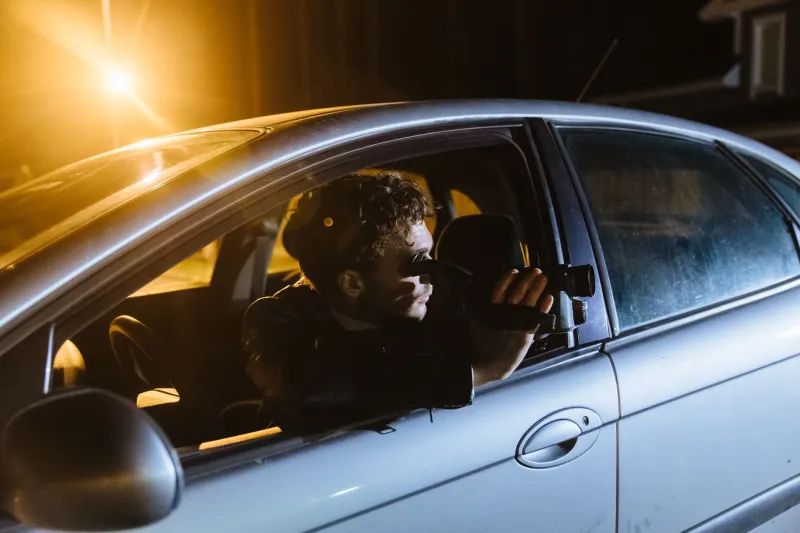
Let's set the scene. It's 2 a.m. A person in night-vision green is walking slowly through what appears to be an abandoned hospital in rural Ohio. Their breathing is audible. The camera shakes slightly. Suddenly — a sound. Something moves in the darkness. The creator spins around, whispering intensely to their 800,000 followers: "Did you guys see that?"
You did not see that. There was nothing to see. But you watched the whole thing anyway, and now you're three hours deep into this person's channel and you've learned more about alleged Skinwalker Ranch anomalies than you ever expected to know.
Welcome to the paranormal creator economy. Population: enormous.
The Numbers Are Actually Wild
It would be easy to dismiss paranormal content as a fringe interest, but the audience data tells a different story. Channels dedicated to cryptid hunting, ghost investigation, and UFO analysis regularly pull millions of views per video. On TikTok, hashtags like #cryptid and #paranormal have accumulated billions of collective views. The most successful creators in this space aren't small-time hobbyists — they're running genuine media operations with merch lines, Patreons, live event appearances, and dedicated Discord servers that function as their own mini-communities.
This is not an accident. Paranormal content has specific structural advantages on short-form video platforms. It creates tension naturally. It rewards repeat viewing (go back and look at that shadow in the corner again — is that something?). It generates comments, which feed the algorithm. And it builds the kind of loyal, passionate audience that advertisers increasingly struggle to reach through traditional channels.
In other words: Bigfoot is monetized now, and he's doing pretty well.
Why Gen Z Is So Into This
The generational dimension here is worth examining seriously, because it's easy to write off younger audiences as credulous or unsophisticated, and that reading is both wrong and condescending.
Gen Z has grown up in an information environment that is genuinely chaotic. Institutions that previous generations trusted — government, media, science — have all had very public credibility crises during their formative years. When you've watched established authorities get things dramatically wrong (or get caught lying) enough times, a certain epistemological flexibility becomes rational rather than naive.
Paranormal content slots neatly into this worldview. The implicit message of a lot of this content isn't really "Bigfoot is real" — it's "official explanations aren't always trustworthy" and "there are things happening that powerful people don't want you to look at too closely." For an audience that has legitimate reasons to be skeptical of official narratives, that framing has genuine appeal.
There's also just the entertainment factor, which shouldn't be minimized. These videos are fun. The production values on top-tier paranormal channels are legitimately impressive. The hosts are charismatic. The storytelling is tight. Whatever else you want to say about the content, it's well-made content.
The Misinformation Problem Nobody Talks About
Here's where things get genuinely complicated, though. The paranormal creator space has a misinformation ecosystem that operates pretty differently from, say, political misinformation, but is worth taking seriously.
The mechanism works something like this: a creator posts a video about an alleged cryptid sighting in a specific location. The video goes viral. Other creators make response videos, analysis videos, "I went to this location" videos. The original claim — which may have been speculation, misidentification, or outright fabrication — gets treated as an established data point that subsequent content builds on. Within a few weeks, you have an entire content ecosystem that treats an unverified claim as foundational fact.
This is especially pronounced with UFO content, which has gotten significantly more complicated since the government started actually acknowledging UAP (unidentified aerial phenomena) sightings through official channels. That legitimate news got absorbed into the paranormal creator ecosystem and mixed with a lot of less-verified material in ways that made it genuinely difficult to distinguish credible reporting from wishful thinking.
None of this is unique to paranormal content — it's how the attention economy works broadly. But the paranormal space has some specific features that accelerate the problem. The subject matter is inherently unverifiable, which means there's no authoritative source that can definitively debunk claims. And the community dynamics reward belief — skeptics in the comments aren't just wrong, they're often treated as active threats to the community's identity.
The Creators Who Are Doing It Differently
To be fair, there's a meaningful subset of paranormal content creators who are doing something more interesting than straight-faced cryptid promotion. The ones who explicitly frame their content as entertainment rather than documentation. The ones who bring genuine skepticism to their investigations and are willing to conclude "we found nothing interesting" when that's the truth. The ones who are clearly having a blast with the absurdity of the whole enterprise.
This approach — treating paranormal investigation as a vibe rather than a truth-seeking mission — actually tends to produce better content. When you're not invested in finding something supernatural, you can be more honest about what you're actually experiencing. And that honesty, paradoxically, is often more compelling than the "I definitely saw something" approach.
Some of the best paranormal content on the internet right now is basically just people hanging out in interesting locations and being funny about it. That's a format that works regardless of whether you believe in ghosts.
What the Algorithm Wants
Ultimately, the paranormal industrial complex exists because platforms incentivize it. Content that creates strong emotional responses — fear, wonder, the specific anxiety of not being sure what you just saw — performs extremely well on engagement metrics. Creators who figured this out early built significant audiences, which attracted more creators, which built the ecosystem.
The weird thing is that this might actually be fine? People have always been drawn to ghost stories, monster mythology, and the idea that there's something unexplained lurking at the edges of the known world. TikTok didn't invent that impulse — it just gave it a content delivery mechanism and a monetization layer.
As long as audiences maintain some basic awareness of the entertainment context, the paranormal creator economy is mostly just... people enjoying a specific kind of spooky content together. Which, honestly? Sounds like something we can get behind.
Just maybe don't reorganize your worldview around what a guy with a night-vision camera found in an abandoned warehouse at 2 a.m. That's all we're saying.